



Amongst the Weeds
Alternative Title: When empathy feels like the greatest form of loving.
We are all gifted time on this earth. We spend it in the ways that makes sense to us. We leave, we stay, we come back for. Often, we act in ways that seek to preserve who we think we are, and what we think we’ve earned. With others, we tend to act in accordance in what we think they deserve. If the karmic balance sheet does indeed exist, I don’t think it’s indexed or ledgered by name.
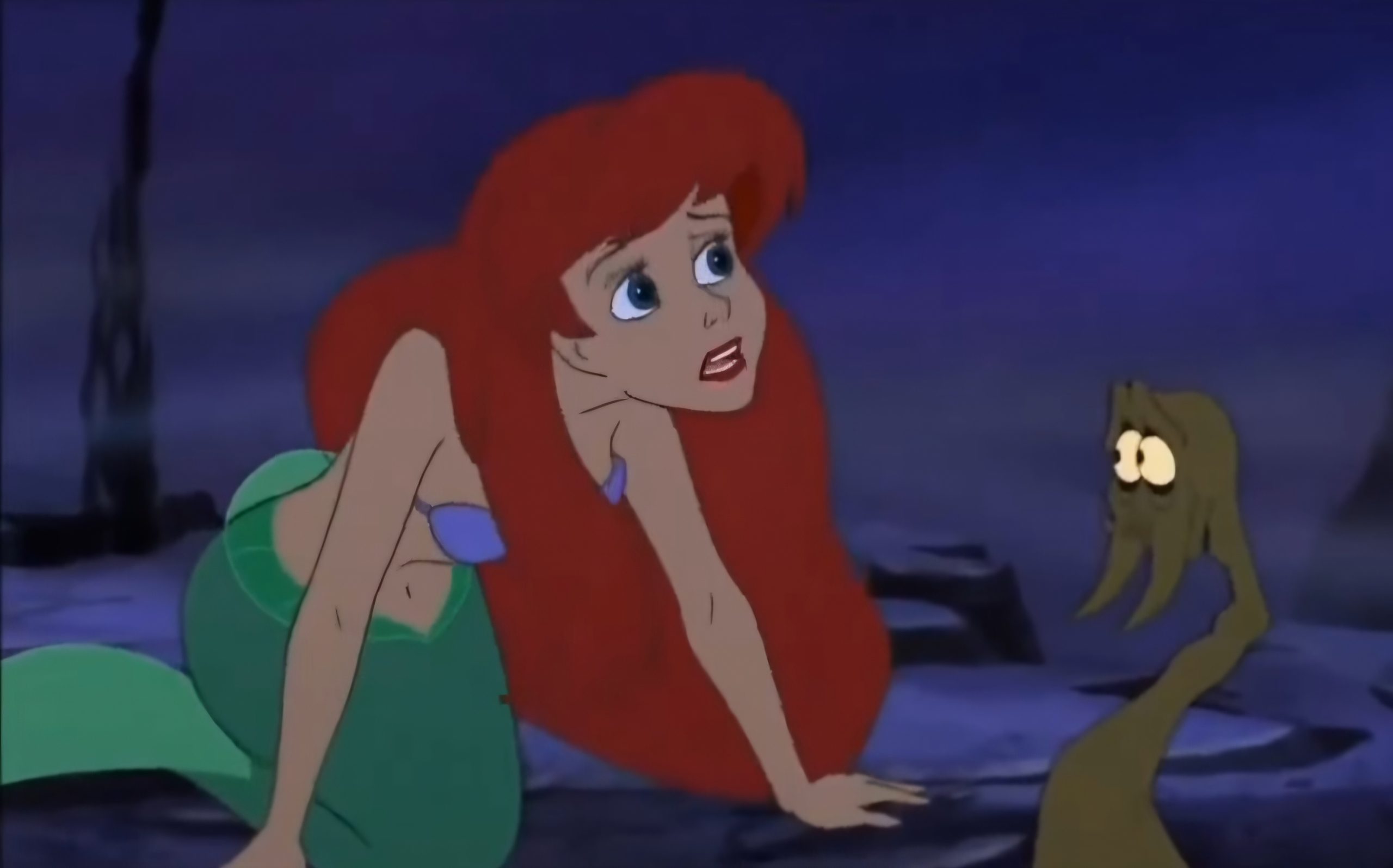
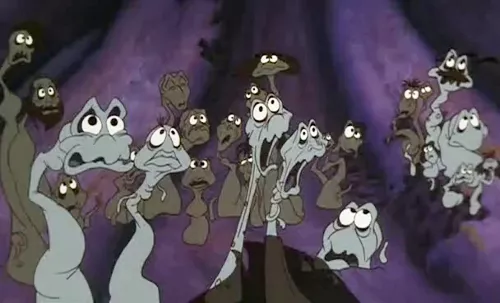
The withered sea people from The Little Mermaid (of course the animated original) were called “poor, unfortunate souls.” For some reason, they were willing to risk the vitality of their existence for something they perceived as better. There were so many of them. Even shrunken and decayed, they must have felt a sense of community. Not being alone with your misery and memory had to be a sort of fateful reprieve. I imagine them silently swaying to communicate. There likely wasn’t much to look at much of the time.
Ariel wanted to be human; the lure of somewhere else also entices you to become someone else. She traded her voice for some legs and thought enough of herself to get someone to kiss her in three days. She accepted this pressurized timeline because she had some friends to help, and, undoubtedly, considered three days on land in the sun better than a life well lived in the sea. We are willing to risk a lot for something different.
Her Dad, though, was king of the sea and snuffs out her little plan. No way he was going to let his little girl suffer when he could take her place. The only Dad I ever knew made suffering seem celebratory because there was always this moment when it stopped. On the other side there was rest and bills paid and enough left for basketball shoes and a check to USA Rugby so you could belong to something special and also feel like you earned it. It’s so rarely about them for Dads. It’s almost always for you.
The visual of King Triton signing his name to bear the consequence of his child’s mistake is what I anticipate parenthood to be like. You sacrifice for their benefit, whether they succeed or disappoint you, again and again and again. There is a duty and responsibility to this covenant, and instead of it weighing you down it sustains and uplifts you with purpose. You lose (or give) in such a consistent and noble manner that you transform it into winning and call it love.
When the time comes and your body starts to fail you, the people that chose to stay around you won’t know what to do about the decline. It’s so slow and ever present that it will seem natural. When discussed, you will describe it as such. It will simply be the “way you are.” But the one who left will notice how far everything has slid, and will tell you. You listen to her differently and do what she tells you to do.
You do this because you know that if the result is quite bad she will stay and help you through it. You trust her actions even more than her words. She understands and reciprocates your kind of love. It’s the type she recognizes and knows how to validate.
There is an Erik in the famous fable. And King Triton lives. But life is far more complex than the tales we tell, and the lessons of truth are often burdened and buried by the protagonist’s pain. In this story Triton remains a weed, and Ariel, unable to spin him back to healthful independence, decides to become a weed too. She wanted him to know she knew all of him. Even this. Especially this. When the love was most needed and he wasn’t able to ask.
Entering into a suffering that doesn’t wish to be solved is the greatest act of empathy one can offer.
It’s what her best amounted to, and how she could still provide for the one who provided everything. They needed to be the same. One last time. So neither could forget.
The story could cinematically end there, and would if sacrificial care is what people aspired to. But ideals aren’t reality and love doesn’t have to be synonymous with hurt. You could love someone and still want to survive their death. You could lose and let go and still wind up whole.
Ariel did not want to stay a weed, nor did King Triton want her to. He knew she was the only fish who could will herself to be a human, so she tearily hugged him goodbye, and swam away. Before she left, he told her she could do anything. This final act of fatherly faith and belief was the exact moment she realized he was right.